
In 2026, fertility preservation is no longer a niche medical option. Studies now show that women under 35 who freeze at least 20 eggs have an 88.9% chance of achieving a live birth later, a statistic that has helped drive the global surge in elective or “social” egg freezing.
For many women, choosing to preserve fertility is a thoughtful step toward future family building. We see more people exploring egg freezing as a way to protect their options while focusing on education, career, relationships, or personal readiness.
Key Takeaways
| Key Question | Clear Answer |
|---|---|
| What is social egg freezing? | It is the process of freezing healthy eggs for future use, allowing women to preserve fertility for personal rather than medical reasons. Learn more in our detailed guide at Egg Freezing Success Rates, Age, Cost & Fertility Options. |
| Why is egg freezing trending in 2026? | Women are planning families later, and new vitrification technology has significantly improved egg survival after thawing. |
| Where can I find verified fertility clinics? | You can explore reputable centers through our curated fertility clinic listings directory. |
| Is egg freezing part of IVF treatment? | Yes. Egg freezing is closely linked with modern reproductive medicine and often connects with Assisted Reproductive Technology (ART) procedures. |
| What age is best for freezing eggs? | Most specialists recommend freezing eggs before age 35 for the best success rates. |
| Where can I learn more about fertility options? | Our comprehensive fertility resource hub is available at fertility education and treatment resources. |
1. What “Social Freezing” Means in 2026
Social freezing refers to elective egg freezing for non‑medical reasons. Women choose this option to preserve fertility while maintaining flexibility in their life timeline.
In 2026, it has become a practical tool for reproductive planning. Many women see it as an insurance policy that protects their ability to have children later.
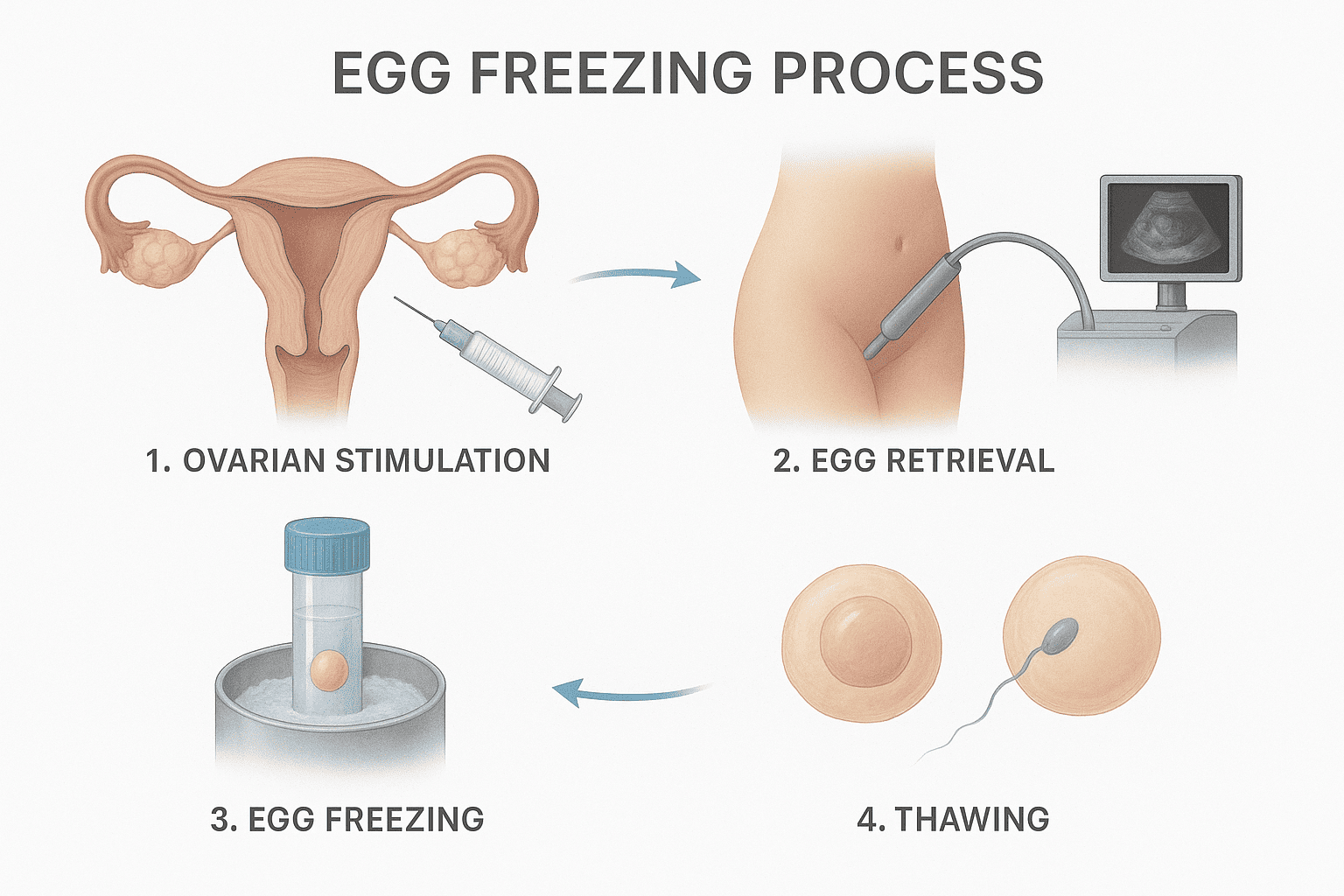
The process involves retrieving mature eggs, freezing them using vitrification technology, and storing them until the patient decides to pursue pregnancy.

2. Why Egg Freezing Is Surging Worldwide in 2026
The global conversation about reproductive autonomy has shifted dramatically. More women want the ability to decide when they are ready for parenthood.
Career growth, education, financial planning, and relationship timing are all factors driving the trend.
Advances in reproductive medicine have also increased confidence in egg freezing outcomes. As clinics publish clearer success rates, patients feel better equipped to make informed decisions.


3. The Science Behind Egg Freezing Technology
Modern egg freezing relies on vitrification, a rapid freezing method that prevents damaging ice crystals from forming inside the egg.
This technique dramatically improves survival rates after thawing. Eggs that are frozen properly can remain viable for many years.
When a patient is ready to conceive, doctors thaw the eggs, fertilize them through IVF, and transfer the resulting embryo into the uterus.


This infographic highlights the five pivotal statistics shaping the 2026 social egg freezing boom. It helps readers understand why more people are considering egg freezing in the coming years.
4. Age and Success Rates in Egg Freezing
Age remains one of the most important factors affecting fertility preservation outcomes. Eggs collected at younger ages typically have higher genetic quality.
That is why many specialists encourage women to consider freezing eggs before age 35 whenever possible.
Earlier planning does not mean rushing decisions. Instead, it gives patients more reproductive flexibility later.
Did You Know?
The odds of a successful live birth decline by 21% for every single year of age added at the time of freezing.


5. Understanding the Real Cost of Egg Freezing
Egg freezing is a long term investment in reproductive health. Costs usually include ovarian stimulation medications, egg retrieval, freezing, and annual storage.
Some patients require more than one cycle to collect enough eggs for optimal success rates.
Did You Know?
The average total investment for an egg freezing patient is now $30,000 to $40,000, typically covering about 2.1 treatment cycles and long term storage.
Understanding these costs ahead of time helps patients prepare financially and emotionally.
Choosing a clinic is one of the most important steps in the egg freezing journey. Patients should look for verified specialists, transparent success rates, and clear treatment protocols. We encourage aspiring parents to compare clinics carefully and ask detailed questions during consultations. Laboratory technology and freezing methods Clinic success rates Experience of reproductive endocrinologists Patient support services

7. Who Is Driving the Social Freezing Boom
In 2026, the demographic profile of egg freezing patients continues to evolve. Many women are choosing fertility preservation earlier than previous generations.
Professionals in demanding careers, entrepreneurs, and graduate students are among the fastest growing groups exploring this option.
The shift reflects a broader cultural change. Reproductive planning is now seen as a proactive health decision.

8. Emotional and Psychological Considerations
Fertility decisions often carry emotional weight. Many patients feel both relief and reassurance after completing an egg freezing cycle.
Knowing that future options exist can reduce pressure around relationships and family timing.
Egg freezing does not guarantee pregnancy, but it gives patients valuable reproductive flexibility and peace of mind.
Support from fertility counselors, doctors, and family members can make the journey smoother.
9. Egg Freezing vs IVF: Understanding the Relationship
Egg freezing and IVF often work together. When a patient decides to use frozen eggs, doctors fertilize them through IVF and transfer the embryo.
This means the quality of the fertility clinic’s IVF program matters when choosing where to freeze eggs.
Understanding this connection helps patients plan their long term reproductive strategy.
10. The Future of Fertility Planning
As reproductive technology advances, fertility preservation will likely become a standard part of preventive healthcare.
In 2026, more clinics are improving laboratory technology, patient education, and transparency around success rates.
This progress empowers individuals to make confident decisions about family building.
Conclusion
The 2026 social freezing boom reflects a broader shift in how people approach reproductive health. Fertility preservation gives individuals the freedom to plan families in a way that aligns with their personal goals and life timelines.
While egg freezing is not a guarantee of future pregnancy, it is an increasingly powerful option. With trusted clinics, clear information, and supportive medical teams, patients can move forward with confidence on their journey to parenthood.
