
For many Nigerian couples in 2026, IVF now costs between ₦3.5 million and ₦4.5 million in many clinics, which means a single cycle can swallow more than a full year of average household income. We created this guide to help you understand your options for reducing that burden through grants, financing plans, and smarter clinic choices.
Key Takeaways
| Common Question | Quick Answer (2026 Nigeria Context) |
|---|---|
| 1. How much does IVF really cost in Nigeria in 2026? | A basic IVF cycle often falls around the ₦3.5M to ₦4.5M mark, and donor cycles can reach ₦5M or more. For a detailed breakdown of what drives these prices, see our guide on IVF cost in Nigeria. |
| 2. Why is the ₦4.5M barrier such a big deal? | Multiple sources report IVF costs in the ₦3.5M to ₦4.5M range across clinics, while typical annual income is around ₦2M. Two or three cycles can easily exceed ₦5M, which is why financing and grants are now critical. |
| 3. Are there IVF grants available for Nigerians? | Yes. Foundations like the Ibidunni Ighodalo Foundation and programs like PCOS-focused grants have funded cycles worth over ₦1M to ₦2M, often covering a major part of treatment fees. |
| 4. Can clinic choice reduce my total IVF bill? | Clinic pricing, add‑on services, and protocols vary widely. Our Nigeria‑wide directory and pages like the Top 10 IVF clinics in Nigeria help you compare options before committing. |
| 5. What about ICSI or egg freezing, are they more expensive? | ICSI often adds hundreds of thousands of naira to a standard IVF cycle, and egg freezing has its own cost structure. For context on these options, explore our guides to ICSI cost in Nigeria and egg freezing success rates and cost. |
| 6. How do I find clinics that suit my budget and location? | You can browse and filter facilities in Lagos, Abuja, Port Harcourt and across the country using our nationwide clinic list at Fertility Clinics Directory listings. |
| 7. Is it realistic to plan and save for IVF in 2026? | Yes, if you combine structured saving, targeted grants, promotions, and the right clinic choice. This article walks you through a step‑by‑step approach to close that ₦4.5M gap in a practical way. |
Understanding The ₦4.5M IVF Cost Barrier In Nigeria
The ₦4.5M figure is not just a number, it is the point where many couples quietly decide that IVF is “for others” and not financially possible for them. IVF procedures in many Nigerian clinics currently sit between ₦3.5M and ₦4.5M, and that does not always include medications, tests, or the cost of multiple cycles if the first attempt fails.
Multiple components push IVF costs up:
- Initial consultations, hormonal tests, and scans
- Ovarian stimulation drugs and lab monitoring
- Egg retrieval, embryo culture, and transfer
- Extra services like ICSI, freezing, donor gametes, or genetic testing
When we talk to couples in 2026, the emotional weight often sits alongside a simple fear: “If we start, can we afford to continue if the first cycle does not work?” That is why understanding cost structures and realistic total budgets is the first step before exploring financing, grants, or promos.


Breaking Down IVF, ICSI, And Donor Costs So You Can Plan Better
In 2026, different IVF pathways have different price bands, and those differences matter when you are drawing up a financing plan. A reputable Nigerian pricing guide puts basic IVF at about ₦2,800,000 to ₦3,500,000, IVF with ICSI at ₦3,000,000 to ₦4,500,000, and donor egg or donor sperm IVF around ₦4,500,000 to ₦5,000,000.
| Treatment Type | Typical 2026 Price Range (Nigeria) | Why It Costs More |
|---|---|---|
| Basic IVF (own eggs, own sperm) | ₦2.8M – ₦3.5M | Standard lab work, no advanced micromanipulation |
| IVF with ICSI | ₦3.0M – ₦4.5M | Extra lab step where a single sperm is injected into each egg |
| Donor‑egg or donor‑sperm IVF | ₦4.5M – ₦5.0M+ | Compensation for donor, expanded screening, more coordination |
If you have male factor infertility, clinics may recommend ICSI, which typically pushes the cycle toward that ₦4.5M ceiling. If you need donor eggs, you are planning for the upper end of cost ranges from the very beginning, which makes grants and structured financing even more important. We encourage couples to ask clinics for written, line‑by‑line quotes before paying any deposit. A clear quote shows where you might save, what is optional, and what you must absolutely budget for.

IVF Grants In Nigeria: How Much They Cover And Who They Target
IVF grants have become one of the most realistic ways to reduce the ₦4.5M barrier, especially when personal savings alone cannot meet the full cost. Some Nigerian grant programs report average IVF‑related expenses around ₦6.5M, while individual grants are often valued at over ₦1M each, which can cover a significant portion of the treatment. The Ibidunni Ighodalo Foundation, for example, has run IVF grant rounds where selected couples receive sponsored cycles at partner clinics. Other initiatives, such as the FertileBank IVF Grant from PCOS Conquerors, target specific groups like women with PCOS, sometimes funding up to ₦2,000,000 toward IVF. When you are applying for grants, you usually need to provide medical reports, proof of marriage or partnership, and sometimes income information. Selection is very competitive, so we urge couples to treat this as one part of their financing strategy, not the only plan.
Discover five financing options to help cover IVF costs under ₦4.5M. Learn how grants, loans, and savings plans can ease the burden.
Here are typical grant features you should look out for:
- Coverage type: full cycle, partial payment, or drugs only
- Clinic restriction: tied to specific partner clinics or open choice
- Timeline: application windows and treatment deadlines
- Eligibility: age limits, diagnosis type, marital status
Once you receive a grant, you may still need to budget for tests, extra drugs, or additional cycles if the first attempt fails. We advise couples to keep a small contingency fund, even when a grant sponsor is paying the main clinic bill.
Did You Know?
Across Nigeria, two IVF cycles can cost around ₦3.8 million, and three cycles can reach up to ₦5.6 million, which is why grants and structured financing are increasingly vital for families.
Clinic Promotions, Discounts, And Bundled Packages You Can Leverage
Apart from grants, clinics themselves are starting to recognise cost as the biggest barrier and are introducing promos, discounts, and bundled packages. For example, some hospitals in Nigeria have offered 18 percent discounts for couples who sign up before a set deadline, then 10 percent discounts in the first quarter of the following year. These discounts can cut hundreds of thousands of naira from your bill without changing the quality of medical care. World IVF Day campaigns have also included free IVF giveaways or heavily subsidised cycles for selected couples at certain clinics.
Tip: Ask every clinic you contact in 2026 if they have ongoing promotions, early‑payment discounts, or bundled multi‑cycle packages.
You should always cross check that lower prices do not mean cut corners on lab standards or medication quality. Our role is to help you compare offers objectively, so you can stretch your budget without risking your health or treatment success.
Specialist Procedures: ICSI, Egg Freezing, And Donor Cycles On A Budget
Some couples cannot avoid more complex procedures like ICSI, egg freezing, or donor egg IVF, which naturally push costs toward or above ₦4.5M. We want you to approach these decisions with both medical clarity and financial realism.
Managing ICSI Costs
ICSI is recommended mainly for severe male factor infertility or previous fertilisation failure. Our guide on ICSI cost in Nigeria explains how clinics price this add‑on and how you might save by comparing several centres before choosing.
Planning For Egg Freezing Or Donor Eggs
In 2026, egg freezing is gaining popularity among women who want to preserve fertility for later. However, egg freezing has its own cycle fees plus long‑term storage costs, which you should weigh against your current age, fertility status, and timeline for trying to conceive. Donor egg IVF is often the costliest path, with price bands from around ₦4.5M to ₦5M due to donor recruitment, screening, and compensation. We advise couples to ask whether donors are shared among multiple recipients, which sometimes reduces the overall package cost.
Choosing A Clinic Strategically: Cost, Location, And Care Quality
There are now roughly 180 IVF clinics operating in Nigeria, so finding the right one can feel overwhelming when you are already dealing with emotional stress. We built Fertility Clinics Directory Nigeria to help you compare options without running from one hospital to another.
Examples Of Nigerian Fertility Clinics
- Nordica Fertility Centre Asaba in Delta, known for assisted reproductive technology services.
- Omega Golden Fertility, a premium fertility centre that focuses on combining science, technology, and patient‑centred care.
- CARE WOMEN’S CLINIC, offering IVF, surrogacy, sperm banks, egg freezing, IUI, and antenatal care.
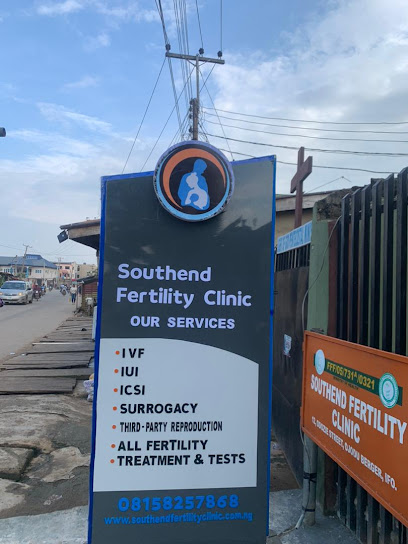
- Southend Fertility Clinic in Lagos, which highlights personalised guidance for couples.
- Olive Natural Fertility Centre, which some couples prefer for its focus on holistic and natural support.
When you compare clinics, look at three things side by side: cost, success rates, and financing flexibility. Some centres will not be the cheapest but may offer better instalment plans, discounts for multiple cycles, or stronger lab track records. We recommend starting with a shortlist of three to five clinics in your preferred city or region. You can explore a wide range of facilities through our national directory of fertility clinic listings, then schedule consultations to compare real quotes.

How To Build A Realistic Fertility Budget Around Your Income
Affording IVF in 2026 is not only about getting the lowest clinic quote, it is about building a clear, honest household budget that includes your fertility goals. When typical annual income sits around ₦2M and one IVF cycle can exceed that amount, planning is non‑negotiable. Here is a simple way to structure your fertility budget:
- Set your treatment horizon: decide whether you can emotionally and financially commit to one, two, or three IVF cycles.
- Estimate total cost: multiply your clinic quote by the number of cycles, then add 10–20 percent for extra drugs or emergencies.
- Map your funding sources: savings, grants, family support, loans, and clinic promos.
- Set a monthly savings target: break down the gap into a 12–24 month saving window if treatment is not urgent.
Many couples in Nigeria quietly involve trusted family or faith communities for partial support when they explain the high cost of treatment. We always encourage discretion and emotional boundaries, but also remind you that you do not have to carry the financial weight alone.
Short‑Term Financing, Loans, And Flexible Payment Plans
In 2026, more Nigerian couples are turning to health loans, cooperative society funds, or structured repayment plans to bridge the gap between savings and clinic bills. Banks and micro‑finance institutions sometimes partner with hospitals to offer medical loans with specific tenors and interest rates. Before you take a loan for IVF, ask yourself three key questions:
- Can our household still cope if we need a second cycle?
- Is the monthly repayment sustainable if pregnancy is delayed?
- Is the interest rate fair compared with our other options?
Some clinics allow instalment payments, for example a deposit before stimulation, a second payment before egg retrieval, and a final payment at embryo transfer. These plans reduce the need for large lump‑sum loans and may protect you if a cycle is medically cancelled before completion. We advise couples to put every repayment plan in writing and keep copies of all receipts. Financial clarity reduces stress at a time when you already have a lot on your mind.
Did You Know?
A basic IVF cycle in Nigeria is priced at ₦2,800,000–₦3,500,000, IVF with ICSI ₦3,000,000–₄,500,000, and donor egg or sperm IVF ₦4,500,000–₅,000,000, so knowing your exact pathway is essential for realistic budgeting.
Non‑Financial Ways To Reduce Repeat IVF Costs
While finances are central, one powerful way to ease the cost burden is to reduce the chance that you will need many repeated cycles. There is no guarantee in fertility treatment, but informed choices can improve your odds. Consider these practical steps:
- Optimise your health: address weight, blood sugar, thyroid, and lifestyle factors before starting IVF.
- Complete key investigations early: for example, checking for fibroids or hydrosalpinx that might affect implantation.
- Discuss embryo strategies: whether to transfer one or two embryos, and whether to freeze extras if available.
- Ask about add‑ons carefully: only pay for extra procedures that have clear evidence for your specific case.
We always remind couples that success rates differ across age groups and diagnoses. Reading up on topics like egg freezing success, genetic testing, and donor options will help you make decisions that are both medically and financially sound.
Emotional And Practical Support While You Navigate The Cost Barrier
The financial side of IVF in 2026 is stressful, but the emotional impact can feel even heavier, especially when you start comparing costs with friends’ milestones like house purchases or children’s school fees. We want you to know that feeling overwhelmed, angry, or discouraged by money is completely normal on this journey. Here are ways to protect your emotional health while you plan finances:
- Agree on a clear financial boundary as a couple so neither of you feels pressured beyond comfort.
- Limit how many people you discuss money details with, to avoid unhelpful opinions.
- Join support communities where people understand both the clinical and financial realities of infertility.
- Schedule intentional “no fertility talk” time each week to reconnect as partners.
At Fertility Clinics Directory Nigeria, we see you not as a statistic, but as individuals trying to build a family in a challenging economic climate. We are committed to giving you accurate information, practical tools, and compassionate guidance so that money does not silence your parenthood dreams.

Conclusion
In 2026, the ₦4.5M IVF cost barrier is real, but it does not have to be the end of your parenthood journey. By understanding true treatment costs, tapping into grants, leveraging clinic discounts, planning realistic budgets, and making medically informed choices, you can bring that barrier down to a level your household can manage. Our role at Fertility Clinics Directory Nigeria is to walk beside you with verified information and locally relevant options, from cost guides to clinic listings across the country. As you consider your next step, remember that you are not alone, and that there are practical paths to make IVF and other fertility treatments more affordable without losing hope.